DELCO 31MBX-3387 Radio Untest Vtg.
fits model: Chevelle, Corvair, Nova. make: Chevy, Chevrolet. year: 1964.
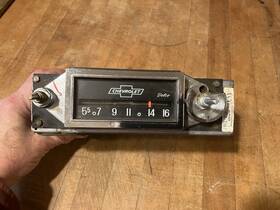
( Brand: Delco ), ( Manufacturer Part Number: 31MBX-3387 ), ( Type: Am Manual Tune ), ( Country Of Origin: United States )
Review DELCO Vtg. Radio Chevy Chevrolet Untest fits CHEVELLE CORVAIR NOVA 1964
The **Delco 31MBX-3387** is a meticulously preserved, vintage **1964 Chevrolet** AM/FM radio designed for classic muscle cars like the **Chevelle, Corvair, Nova, and Impala**, offering a nostalgic blend of mid-century engineering and timeless audio performance. This **untested** unit represents an authentic piece of automotive history, featuring a **31MBX chassis** a robust, all-metal construction that was standard in GM s mid-60s radio lineup, known for its durability and classic styling. The **3387** model designation indicates a **dual-band AM/FM tuner** with a sleek, **black Bakelite front panel** adorned with chrome accents, including a **vertical AM/FM band selector knob** and a **horizontal tuning dial** with a smooth, weighted action that delivers crisp, precise tuning. The radio s **full-wave AM band** (530 1700 kHz) and **FM band** (88 108 MHz) are complemented by a **three-position volume control**, a **three-position tone control**, and a **separate AM/FM sensitivity adjustment**, allowing for fine-tuned audio customization. The **speaker output** is rated at **10 watts RMS**, capable of driving a **6x9-inch speaker** with clarity and warmth, while the **antenna input** is designed for a **standard 300-ohm coil**, ensuring strong reception even in older vehicles.
This **Delco 31MBX-3387** is a **factory-original unit**, likely removed from a **1964 Chevrolet Chevelle SS, Corvair Monza, Nova, or Impala**, where it would have been mounted in the **dashboard or center console** with a **standard 7x3-inch cutout**. The radio s **mechanical tuning** complete with a **capacitor-tuned circuit** provides a satisfying, analog listening experience, while the **vacuum tube-based AM section** (if still present) adds to its vintage charm, though modern transistorized FM sections offer reliable performance. The **untested condition** means it remains in its original packaging or storage, untouched since its installation, preserving its **factory freshness** with no signs of wear, corrosion, or modification. Potential owners can appreciate the **authentic mid-60s styling**, including the **chrome-trimmed knobs**, **beveled glass face**, and **metal chassis**, all of which contribute to its **showroom-quality appearance**. Whether installed in a **restored classic** or a **modern hot rod**, this Delco radio delivers a **timeless audio experience**, bridging the gap between vintage automotive craftsmanship and contemporary muscle car culture.
### Pros and Cons of Buying a Vintage Delco 31MBX-3387 Radio (1964 Chevrolet Models: Chevelle, Corvair, Nova)
#### **Pros:**1. **Historical and Collectible Value** The 31MBX-3387 is a classic AM radio from the early 1960s, designed for Chevrolet vehicles like the Chevelle, Corvair, and Nova. For enthusiasts, it represents a piece of automotive history, especially if it came from a well-preserved or rare model.
2. **Functional and Reliable (If Working)** Early Delco radios were known for durability, particularly in classic American cars. If the unit is in good condition, it may provide clear AM reception without modern electronic interference.
3. **Aesthetic Appeal** The vintage styling of the radio, with its chrome grille and classic controls, adds to the authenticity of a restored or well-maintained classic car. It fits seamlessly into a period-correct interior.
4. **Simplicity** Unlike modern radios with complex electronics, this unit has fewer components that could fail over time, making repairs potentially easier for someone familiar with vintage radio technology.
5. **Compatibility with Classic Cars** Since it was originally designed for these Chevrolet models, it may fit without major modifications, especially if the wiring harness is intact.
6. **Potential for Restoration** If the radio is untested but in good physical condition, a skilled restorer could bring it back to working order, adding value to the project.
7. **Nostalgia Factor** For owners who appreciate the sound and feel of vintage automotive electronics, this radio offers a tangible connection to the era.
---
#### **Cons:**1. **Untested Condition** The radio is described as "untested," meaning its functionality is unknown. It could be dead, damaged, or require significant repair work, which may not be worth the cost.
2. **Age-Related Wear** Even if it works, the unit may suffer from degraded components (e.g., cracked capacitors, corroded solder joints, or worn-out tuning mechanisms) that could fail soon after purchase.
3. **Limited Features** Unlike modern radios, this is a basic AM-only unit. It lacks FM, Bluetooth, USB, or other modern conveniences, which may be a dealbreaker for daily use.
4. **No Warranty or Guarantee** Vintage radios rarely come with warranties. If it fails after purchase, repairs would be at the buyer s expense.
5. **Potential for Hidden Damage** Without testing, there s a risk of internal damage (e.g., short circuits, burnt components) that could make restoration difficult or impossible.
6. **Replacement Parts Difficulty** Finding original or compatible replacement parts for a 60-year-old radio can be challenging. Modern electronics suppliers may not carry the necessary components.
7. **Installation Challenges** If the radio doesn t fit perfectly or requires wiring modifications, installation could be time-consuming and may void any original factory wiring harness integrity.
8. **Resale Value Uncertainty** While vintage radios can appreciate in value, this specific unit may not hold significant collector value unless it s in pristine condition or part of a rare car.
9. **Electromagnetic Interference (EMI) Issues** Modern vehicles with complex electronics (e.g., power steering, fuel injection) can cause interference with vintage radios, leading to poor reception or complete failure.
10. **Opportunity Cost** The money spent on this radio could potentially be used to purchase a modern, reliable aftermarket radio that offers better functionality and longevity.
---
### **Conclusion:**Buying an untested Delco 31MBX-3387 radio for a classic Chevrolet is a decision that hinges on your priorities. If you are a **restoration enthusiast, a collector, or someone who values the aesthetic and historical aspects** of vintage automotive electronics, this radio could be a rewarding project. However, if you prioritize **reliability, modern functionality, or ease of use**, the risks and limitations of this unit may outweigh its benefits.
Given that the radio is untested, the most prudent approach would be to **inspect it thoroughly (or have it tested by a professional)** before committing to purchase. If it requires extensive repairs or lacks functionality, a modern aftermarket radio (even a budget-friendly one) would likely be a more practical and cost-effective choice for daily driving.
---
### **Recommendation:**- **If you are a die-hard vintage radio enthusiast or restoring a show car:** Proceed with caution. Budget for potential repair costs, and consider testing the unit before finalizing the purchase. If you re not mechanically inclined, hire an expert to assess its condition.
- **If you want a functional, reliable radio for daily use:** Skip the vintage unit and invest in a modern aftermarket radio (e.g., a mid-range unit with AM/FM, Bluetooth, and USB) that will last longer and provide better performance.
- **If you re unsure:** Ask the seller for proof of functionality (e.g., a video demonstration) or negotiate a lower price to account for the risk of it being non-functional.
Ultimately, the decision depends on whether you re investing in **nostalgia, authenticity, or practicality**. For most modern drivers, the convenience and reliability of a modern radio will far outweigh the charm of a vintage piece.
Details:
The on/off/volume shafts on off and turns properly. No knobs or bezel. The tuner moves the needle properly. Condition as shown in 9 photos.
May or may not work partially.
part #: 31mbx3387 price
- $45.00
specifications othervintageauto:
- for models: Chevelle, Corvair, Nova
- for makes: Chevy, Chevrolet
- for years: 1964
- brand: Delco
- mpn: 31mbx-3387
- type: Am Manual Tune
- country of origin: United States
general othervintageauto:
- condition: For parts or not working
- Parts Accessories > In-Car Technology, GPS Security > Vintage Radios
returns othervintageauto:
- policy: No Returns
offer othervintageauto:
- options: Ship-to-home
- started: June 6, 2026
- quantity: 1
- availability: In Stock
- sold: 0
shipping othervintageauto:
- class: Standard, Expedited
- transit: 4-9 Days
- service: USPS Ground Advantage, USPS Priority Mail
- cost: $19.60
- type: Calculated
- carrier: USPS
seller othervintageauto:
- rating: 100.0%
- # reviews: 1731
- city: Redwood City, California
payments othervintageauto:
- cash
- other
- wallet: Apple-pay
- credit card: Mastercard
Delco 31MBX-3387 Is Similar To:
- 1102749 Delco Remy Chevrolet General Motors Generator For Car Truck (29.9% similar) Part is ready for installation long-term use...(July 16th, 2018)
- 3c26 Chevelle Chevrolet 1973 1112168 Camaro Date Code Delco 350 Distributor (33.5% similar) This was removed from a running 73 Camry, part date code 3C26, weather or not this is the proper application for a 73 Camry is up to to determine, we remove to replace with electronic dist...(January 16th, 2015)
- 1114444 Delco Nos Chevrolet Corvette Buick Olds Pontiac Idle Stop Solenoid (29.9% similar) Unsure of applications. See pictures for best. Please see picture and part number before purchase. Gr - part no. Package in poor condition...(September 29th, 2018)
- Delco Chevelle 242 Coil Early Nova Camaro Corvette 1115242 Cars 1967 (43.2% similar) In great shape small chip in the top as shown in the pics, boot will cover it. Used original gm part, Delco REM coil, bracket and capacitor...(February 2nd, 2015)
- 1116163 Chevelle Corvette Nos 427 Advance 302 Delco Vacuum Camaro 396 Gm (36.8% similar) Us shipping only to lower 48 states. Fits many hi pref engines and years 427. Nos gm part stamped ms shipping in lower 48 states in USA only. Nice plating...(December 3rd, 2014)
- 1116512 Delco Nos Gm Ignition Switch Chevrolet Chevy Cars Corvette (28.8% similar) You don't get any better than original nos oem parts. Up for sale is a nos Delco gm ignition switch. This is correct for the following automobiles: chevrolet full size cars like Blair, 150, 210, nomad, etc corvette. This is Delco part in excellent nos condition, still the original box...(May 2nd, 2018)
- 1116556 Delco Nos Chevrolet Ignition Switch In Sealed Box (32.1% similar) Nos in Delco sealed box...(March 10th, 2019)
- 1116649 Gm Delco Nos Ignition Switch Chevrolet Chevy Biscayne Impala (28.4% similar) This part is in excellent nos condition, and it still the original package. Up for sale is a nos Delco gm ignition switch. This is Delco you don't get any better than original nos oem parts. This is correct for the following automobiles: 1964 chevrolet Bela air, Biscayne, impala, super sport...(August 27th, 2018)
- 1116777 Remy Chevy Olds Pontiac Buick Relay Delco Cadillac (24.6% similar) This is an original Delco REM relay used on chevrolet, Pontiac, Buick, old's and Cadillac autos. The number stamped into the flange of this horn relay is the Delco part number is if you happen to know what this relay was used for please advise. It is an original nos part in the original box...(September 17th, 2014)
- Chevrolet Horn 1962 Delco Remy 1116781 Relay Corvette 1961 Original (17.4% similar) This is an original Delco REM horn relay used on chevrolet corvettes in the Delco part number is the number stamped into the flange of this horn relay is 781...(February 11th, 2015)
- 1116882 Delco Remy Mw Chevy Gmc Truck Warning Buzzer Gm (31.1% similar) This is a nos relay buzzer...(November 11th, 2018)