Duct Defrost Heater Land 1973TOYOTA 1958
fits model: Fj40, Fj45, Cruiser. year: 1972.
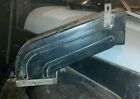
( Part Type: Duct Heater )
Review 1973toyota Duct Defrost Heater 1958 Used Land fits CRUISER FJ40 FJ45 1972
Introducing our premium Cruiser FJ40 duct kit, designed specifically for 1972 to 1973 Toyota Land Cruisers and 1958 to 1983 FJ45 models. This high-quality duct kit is an essential upgrade for your classic vehicle, providing improved defrosting capabilities and increased comfort during those cold winter drives.
The kit is meticulously crafted from durable, weather-resistant materials, ensuring it withstands the elements and continues to function optimally for years to come. The ducts are designed to seamlessly integrate with your vehicle's existing heating system, providing efficient airflow and optimal performance.
The Cruiser FJ40 duct kit includes all necessary components for a straightforward installation process. The kit includes ducts for both the driver and passenger sides, as well as all necessary connectors and hardware for a secure fit. The ducts are pre-bent to match the contours of your vehicle's interior, reducing the need for extensive modifications or customization.
This duct kit is not just an upgrade for your vehicle's heating system, but also a great opportunity to improve your driving experience. With improved defrosting capabilities, you'll be able to say goodbye to foggy windows and poor visibility during those winter mornings. The improved airflow will also help keep you and your passengers warm and comfortable, making your drive more enjoyable.
Invest in our Cruiser FJ40 duct kit and breathe new life into your classic Toyota Land Cruiser or FJ45. With our commitment to quality and customer satisfaction, you can trust that this duct kit will provide years of reliable service. Upgrade your vehicle today and take your driving experience to the next level.
Pros of buying a 1972-1973 Toyota FJ40 with a cruiser duct, 1972 defrost, and 1958 land heater:1. Heritage and Classic Appeal: The FJ40 is a legendary off-road vehicle with a rich history, and its classic design is timeless.
2. Durability and Reliability: Toyota's reputation for building robust and long-lasting vehicles is well-deserved. Many FJ40s from this era are still in excellent condition today.
3. Customization Options: The ability to upgrade the heater and defrost systems, as well as the cruiser duct, provides ample opportunities for personalization.
4. Off-Road Capabilities: The FJ40's ruggedness and four-wheel-drive system make it an excellent choice for off-road adventures.
Cons of buying a 1972-1973 Toyota FJ40 with a cruiser duct, 1972 defrost, and 1958 land heater:1. Limited Modern Features: Compared to newer vehicles, the FJ40 lacks modern features such as air conditioning, power steering, and advanced safety systems.
2. Fuel Efficiency: The FJ40 is not particularly fuel-efficient, which can be a drawback for daily commuting or long trips.
3. Maintenance and Repairs: As with any older vehicle, parts and labor costs for maintenance and repairs can be higher due to the age and rarity of the components.
4. Limited Availability of Custom Parts: While customization options are available, finding specific parts for a 1972-1973 FJ40 can be challenging and may require some research or special ordering.
Conclusion:If you're looking for a rugged, reliable, and classic off-road vehicle with plenty of customization options, the 1972-1973 Toyota FJ40 with a cruiser duct, 1972 defrost, and 1958 land heater could be an excellent choice for you. However, be prepared for the limitations in modern features, fuel efficiency, and potential maintenance and repair costs.
Recommendation:Before making a purchase, thoroughly research the vehicle's history, condition, and maintenance records. Consider your needs and preferences, and weigh the pros and cons to determine if the FJ40 is the right fit for you. If you're new to owning an older vehicle, it may be wise to seek the advice of an experienced mechanic or enthusiast to ensure you're making an informed decision.
All mounting brackets included have some surface rust. Plastic duct in great shape, rubber gasket included has some cracking. Removed from a 72' FJ40.
- $35.22-$175.00
Seller:
- city: Ferndale, Washington
- zipcode: 98248
General:
- condition: Used
- in stock: Yes
- Motors > Parts & Accessories > Vintage Car & Truck Parts > Other Parts
Shipping:
- cost: $15.0
- handling: 2 days
- type: Flat
Payments:
- PayPal
Ratings:
- Good buyer, prompt payment, valued customer, highly recommended. 11-23-14
- A++++, 5 Star Customer! Fast Payment and Great Communication! Thanks Again!! 11-23-14
- Fast Payment 100% Glad you liked Album Thank You! 11-09-14
- Good buyer, prompt payment, valued customer, highly recommended. 11-12-14
- 5 Stars Buyer!! Fast Payment!! Thank you!! - Wing Tactical 11-21-14
Offer:
- quantity: 1
- Started: November 28, 2014, 7:32 am
- # bids: 0
- # Sold: 0
- best offer: true
Returns:
- policy: no returns
Is Similar To:
- 081-0887 Beck-arnley Toyota Land Cruiser (36% similar) Re auto classics is proud to present this toyota land cruiser front brake pads beck anally nos up for buying. We buy classic cars. Please see pictures, read , and ask any questions that you might have. New old stock. Goods luck buying. Please feel free to online or by phone at ask about this other ...(September 11th, 2017)
- Cruiser Shaft Fj40 Toyota 29inches 1978 Drive Land (16.5% similar) Let me know before leaving anything negative. Please look at the pictures carefully, what you see is what you get unless stated otherwise. Used drive shaft u joints very smooth. 29 inches length as it sits I so please feel free to ask any questions or request any pictures. Also keep in mind ...(September 25th, 2014)
- 81980-30040 Toyota Turn Signal Flasher Relay Land Cruiser Oem (37.9% similar) If you are not sure, just ask and I will do my best to assist. Toyota P/N: 81980-30040DENSO part was pulled out of a working vehicle. Please match part number and make sure this is compatible with your vehicle before you purchase. Has been tested and inspected. You are buying a toyota oem turn ...(March 1st, 2019)
- 89570-60140 Toyota Land Cruiser Lexus Fuel Pump Control Module (33.1% similar) Actual pictures of a used fuel pump control module. Match part for a proper fitment...(May 17th, 2018)
- 97200 Toyota Land Cruiser 1963 (39.6% similar) The pages are all clean with no writing. Here is an original owners manual for a toyota land cruiser FJ40. The cover has a little wear from being in glove box type setting. Cover has a small tear pictured on front. I am calling the condition very good. From my research this would be for 1963 year ...(June 10th, 2017)
- 97202 Toyota Land Cruiser 1965-66 (38.5% similar) I am calling the condition very nice. Here is an original owners manual for a toyota land cruiser FJ40 FJ43 FJ45 wagon and pickup. These early manuals are very rare to find in nice condition. The cover has a couple small water stains. From my research this would be for year model's. The pages are ...(June 10th, 2017)
- 09111-35060 Oem Toyota Land Cruiser-toyota Pick Up Truck Vintage Bottle Jack And Tool Kit (23.8% similar) Brand new set of utility gloves included...(May 24th, 2016)
- Sm465 Fj40 Toyota Adaptor Cruiser Speed 3 Transfercase Land (33.8% similar) Adapter is about 1 inch thick. Comes with all needed hardware nuts bolts washers studs and instructions. Check the forums on IH8MUD. New, never used installed...(January 20th, 2015)
- Toyfj40 Toyota Land Cruiser Fj40 (36.9% similar) Nothing serious. It is thick, heavy, strong and very Slidell steel plate. Looks like its had a pretty easy life oem skid plate in excellent used condition. Toyota land cruiser FJ40 skid plate used this fits early model's of cruisers heres the best part, I don't see any dents in at all. 249 ships the...(June 20th, 2017)
- Complete 1988 Toyota Reserve Fj-62 Land Axles Rear Front Cruiser (41.5% similar) ...(February 22nd, 2015)