CHEVROLET Body Catalog Book
fits make: Chevy, Chevrolet. year: 1933–1961.
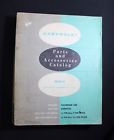
( Brand: Chevrolet ), ( Surface Finish: Paper )
Review CHEVROLET Vintage Chevy Body Parts Accessories Catalog Book Pickup Truck fits 1933–1961
1933-1961 Chevrolet Body Catalog Book
This comprehensive and meticulously compiled 1933-1961 Chevrolet Body Catalog Book is an indispensable resource for classic car enthusiasts, restorers, and collectors. Spanning three decades of Chevrolet's automotive history, this book offers an extensive collection of detailed specifications, drawings, and photographs for every body style produced during this period.
The book begins with the iconic 1933 Chevrolet, marking the start of the brand's Art Deco era. You'll find detailed body specifications, including dimensions, weight, and material information, as well as high-quality photographs showcasing the vehicle's unique features.
As you progress through the decades, the catalog book provides an in-depth look at the evolution of Chevrolet's body designs. From the post-war 1949 models with their innovative "Advance-Design" styling to the 1950s' "Tri-Five" series that introduced groundbreaking features like the "Hardtop" and "Two-Door Sedan," this book covers it all.
Each vehicle's entry includes detailed technical drawings, providing a clear and accurate representation of the car's body shape, dimensions, and features. These drawings are accompanied by high-resolution photographs, showcasing the car's exterior and interior in stunning detail.
The 1933-1961 Chevrolet Body Catalog Book also includes valuable information on optional equipment, such as different engine types, transmission options, and wheelbase lengths. This makes it an essential tool for anyone looking to restore, modify, or simply appreciate these classic vehicles.
In addition, the catalog book provides historical context and background information, offering insight into the trends, technologies, and cultural influences that shaped Chevrolet's design during these years.
In conclusion, the 1933-1961 Chevrolet Body Catalog Book is a must-have resource for anyone who loves classic Chevrolets. With its wealth of detailed specifications, technical drawings, and historical context, this book offers an unparalleled level of insight into the evolution of Chevrolet's body styles and designs. Whether you're a seasoned restorer, a passionate collector, or simply a fan of classic cars, this book is an invaluable addition to your library.
Buying a Chevrolet body catalog book from the 1933-1961 era can be a valuable investment for classic car enthusiasts and restorers. Here are some pros and cons to consider:
Pros:1. Historical and Educational Value: Catalog books provide a wealth of information about the vehicles produced during that era. They can help you understand the evolution of Chevrolet's designs, the features offered, and the pricing at the time.
2. Restoration Guidance: These books can serve as a reference during the restoration process. They can help you identify original parts, find replacement parts, and understand the correct assembly process.
3. Collectible Value: Vintage car catalogs can be considered collectible items. They can appreciate in value over time, especially if they're in good condition.
4. Cost-Effective: Compared to the cost of original parts or professional restoration services, a catalog book can be a relatively inexpensive resource.
Cons:1. Limited Use: While these books are valuable for restorers, they may not be as useful for everyday car owners or enthusiasts who aren't restoring a vehicle.
2. Availability: Older catalog books may be hard to find in good condition. They can be expensive or difficult to obtain, especially for specific models or years.
3. Lack of Digital Information: While these books contain a wealth of information, they lack the searchability and convenience of digital resources.
4. Date Limitations: The information in the catalogs may not be up-to-date, and they don't include information about parts or designs introduced after the publication date.
Conclusion:If you're a classic car restorer, a Chevrolet body catalog book from the 1933-1961 era can be a valuable resource. However, it's important to consider the availability, condition, and cost before making a purchase. If you're not restoring a vehicle, you may find that digital resources offer more convenience and up-to-date information.
Recommendation:If you're interested in purchasing a vintage catalog book, I recommend doing your research to find a reputable seller and to ensure you're getting a good condition copy. Consider whether you'll actually use the book for restoration purposes, or if digital resources would serve your needs better.
Details:
- $46.74-$280.25
specifications othervintageauto:
- for makes: Chevy, Chevrolet
- for years: 1933-1961
- brand: Chevrolet
- surface finish: Paper
Seller othervintageauto:
- city: Fairfield, Connecticut
- zipcode: 06825
Ratings:
- Good to deal with, Thanks 11-15-17
- Five star transaction. 11-14-17
- Excellent! Thanks very much. 11-14-17
- Great transaction 11-14-17
- As described. 11-14-17
General othervintageauto:
- Motors > PartsAccessories > Vintage CarTruck Parts > Vintage Other Parts
- in stock: Yes
- condition: Used
Returns othervintageauto:
- policy: returns accepted
- time: 30 Days
- type: Money Back
- paid by: Buyer
Shipping othervintageauto:
- cost: $5.0
- type: Flat
- handling: 1 days
Payments othervintageauto:
- PayPal
Offer othervintageauto:
- quantity: 1
- Started: November 15, 2017, 4:44 am
- best offer: false
- bids: 0
- min. bid: $15.00
- : true
- Sold: 0
Chevrolet Is Similar To:
- 10114156 Chevrolet Big Block Chevy (32.1% similar) ...(August 6th, 2017)
- 10216 Original Gm Parts Vintage To Chevrolet Ford Dodge Mirror Chrome (22.7% similar) Items are used and in condition,it has some pitting started to the chrome,mirror glass good,no chips,mounting bolts good,plastic mounts good,and needs a cleaning. As is check pics for more detail and condition...(March 18th, 2019)
- 1049 Danchuk Chevrolet Chevy Inside Rear View Mirror Bracket (21.6% similar) You are buying on a new replacement inside rear view mirror bracket for 1955 tru 1957 Chevrolet Blair, 210, 150 fits all model's. Excellent quality...(April 21st, 2018)
- 10546eb1235031 Dnx Wiring Electronics Chevrolet Rear Coil Truck Wire Harness Upgrade (20.2% similar) No more frustration, stalled restoration projects, having to wait get back on the road. Sometimes, it can get very frustrating when you spend time, sweat, and gas only to be told that they don't have what need. You won't regret it. Let us just say that our delivery is second-to-none...(August 15th, 2018)
- 1068 1039q 1039r 1066b 1066c 1004 1048t 1048u Chevrolet Chevy Camaro Rs Fenders Hood Roof Quarters Drop Offs (19.8% similar) These scratches and dings are inherent to panel replacement be expected, should significant damage occur in transit the carrier notified a claim made immediately at time of delivery inspection. If you find damaged items, must have the driver note damage on all delivery receipts yours and theirs. ...(March 14th, 2018)
- 1097c Chevrolet Chevy Truck Rh Front Fender Rr Rocker Door Bedside (20% similar) Today to discuss your current and future car truck needs. If you ship to someone other than yourself, must let that person know inspect the item or items for damage on arrival. These scratches and dings are inherent to panel replacement be expected, should significant damage occur in transit the ...(October 14th, 2018)
- Pair Stock Bumpers 1956 10pcs Rear Chevrolet Chevy Front (24.2% similar) These bumpers are new reproductions, not used or re chromed bumpers. To the continental us. The bumper rack. 1956 chevy Chevrolet pair front and rear bumpers brand new. Back in stock. Shipping shipping is they are triple plated with 2 nickel and 1 chrome layer copper layers are only for used, old ...(August 25th, 2014)
- 11-116c Awe-16g Gm Chevrolet Chevy Ford Truck Nos 1970s 80s Trico Windshield (23.8% similar) Nos 1970 S 80S Rico windshield wiper washer jar bottle fluid pump plastic canister in box with bracket hardware and instructions...(February 9th, 2017)
- 1102749 Delco Remy Chevrolet General Motors Generator For Car Truck (21.9% similar) Part is ready for installation long-term use...(July 16th, 2018)
- 1107ja 1119e 1160a 1160b 1168 Chevrolet Chevy Truck Ft Fleetside Bedsides Front Pan Tailgate (28.3% similar) These scratches and dings are inherent to panel replacement be expected, should significant damage occur in transit the carrier notified a claim made immediately at time of delivery inspection. There is no shipping outside of the continental USA. Today to discuss your current and future car truck ...(March 21st, 2018)
- 110847-6d30 Chevrolet Vintage Chevy Distribitor Nice (35.5% similar) Good condition. Early gm distributor and possible more years. Bought 35 ago at a parts swap meet stored inside...(February 26th, 2019)